

https://southkoreanmilitary.blogspot.com/2018/12/fighter-pilots-view-on-japan-korea.html?fbclid=IwAR2hPFRP0vuAryaaoB0fNEqxz94q6UaLqx5P2NlMFCTRCHU0_toNadB6PKQ
일부분만 소개
P-1"s Flight Pattern
Normal flight pattern of maritime patrol aircraft when identifying a vessel is to fly slightly high above the target vessel, circle around, and fly in parrael to the vessel"s heading on its port or starboard side. This allows both sides to show that there is no hostile intent.
When approaching from the vessel"s bow (front), aircraft do not fly straight at the vessel, but rather at a slightly deviated angle.
When approaching from the vessel"s port or starboard side angle, the aircraft deviates course and approaches further away from stern or bow.
Directly approaching a vessel from its rear angles and straight above the vessel is a very aggressive and provocative method.
That would be more than enough to warrant a tracking radar activiation from the vessel for self-defense purpose.


US Navy P-3B flying in parallel to a Soviet Kynda-class cruiser.
The Soviet vessel is not posing any threat to the P-3B as its guns and missile launchers are at their default positions.
P-1 in the video is shown flying in low altitude and approaching the KCG Sambong from the rear and flies straight across the ROKS Gwanggaeto the Great from the rear portside direction.
This is considered an aggressive or provocative maneuver, especially against a military vessel.
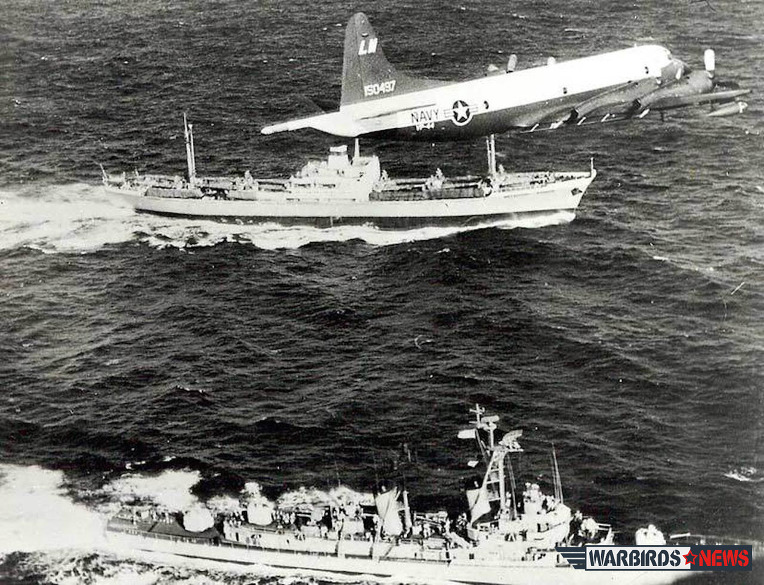
Below is a photo of a US Navy P-3A conducting aggressive approach on a Soviet cargo ship during the Cuban Missile Crisis. Vessel in the bottom of the photo is a US Navy Forrest Sherman-class destroyer.
Based on what was shown in the video and on my extensive naval flight experience, Japanese aircraft"s approach was undoubtedly problematic and a cause of concern for the Korean vessels.
退役パイロットが言う韓日事態.


https://southkoreanmilitary.blogspot.com/2018/12/fighter-pilots-view-on-japan-korea.html?fbclid=IwAR2hPFRP0vuAryaaoB0fNEqxz94q6UaLqx5P2NlMFCTRCHU0_toNadB6PKQ
一部分だけ紹介
P-1"s Flight Pattern
Normal flight pattern of maritime patrol aircraft when identifying a vessel is to fly slightly high above the target vessel, circle around, and fly in parrael to the vessel"s heading on its port or starboard side. This allows both sides to show that there is no hostile intent.
When approaching from the vessel"s bow (front), aircraft do not fly straight at the vessel, but rather at a slightly deviated angle.
When approaching from the vessel"s port or starboard side angle, the aircraft deviates course and approaches further away from stern or bow.
Directly approaching a vessel from its rear angles and straight above the vessel is a very aggressive and provocative method.
That would be more than enough to warrant a tracking radar activiation from the vessel for self-defense purpose.
US Navy P-3B flying in parallel to a Soviet Kynda-class cruiser.
The Soviet vessel is not posing any threat to the P-3B as its guns and missile launchers are at their default positions.
P-1 in the video is shown flying in low altitude and approaching the KCG Sambong from the rear and flies straight across the ROKS Gwanggaeto the Great from the rear portside direction.
This is considered an aggressive or provocative maneuver, especially against a military vessel.
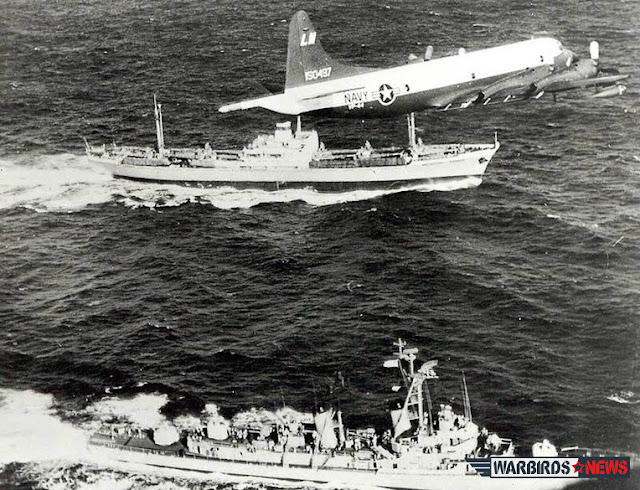
Below is a photo of a US Navy P-3A conducting aggressive approach on a Soviet cargo ship during the Cuban Missile Crisis. Vessel in the bottom of the photo is a US Navy Forrest Sherman-class destroyer.
Based on what was shown in the video and on my extensive naval flight experience, Japanese aircraft"s approach was undoubtedly problematic and a cause of concern for the Korean vessels.